Q:

The DASH Diet: Works For Kidney Health

The DASH Diet: Works For Kidney Health
A:

Diet intervention is one of the most important lifestyle changes to manage chronic kidney problems. The DASH Diet is recommended by several organization, such as National Kidney Foundation, The National Heart, Lung and Blood Institute, and The American Heart Association.


The DASH Diet is a heart-friendly diet, which aims to lower blood pressure level through dietary approaches. It focuses on eating fruits and vegetables, low-fat dairy, fish, poultry, beans, nuts, and vegetable oils while limiting consumption on sodium, sugar, and red meat. Research indicates that the dash diet can reduce blood pressure level, which helps to lower the risk for kidney problems as well.


The DASH Diet may help people with chronic kidney problem to prevent it from worsening. A 2019 research found that the DASH diet reduced the risk for progression to the end stage for people who have moderately severe chronic kidney problems, especially for those who also had prolonged high blood pressure and blood sugar levels.


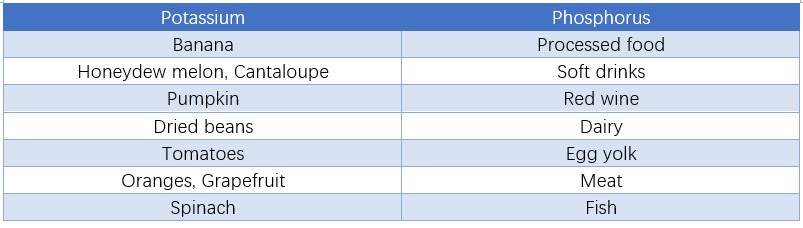
Bear in mind, for those who already had chronic kidney problems, consult with healthcare provider before attempting the DASH Diet as they may need to restrict potassium and phosphorous intake. People who are on dialysis should not use the DASH Diet.


The DASH Diet not only focuses on healthy food, it also emphasis on low sodium. It is recommend to use spice to replace salt, and choose food that is low in sodium (sodium content less than 35 – 140 mg). Below is the guideline for the DASH Diet (2000 calories)
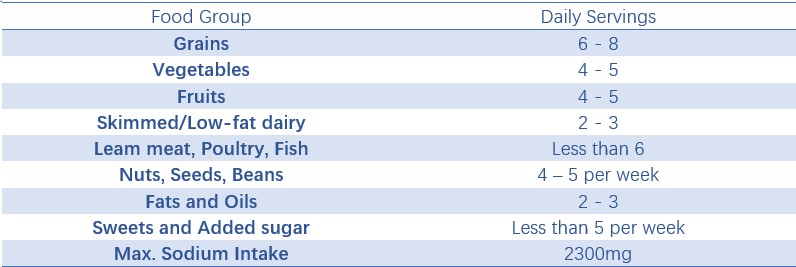
Choose whole grains for most grain servings. People need to limit potassium and phosphorous should avoid the following food
Disclaimer:
  • * All research and clinical data should be used as reference purposes only, results may vary.
RELATED QUESTIONS
A:
Do you feel like no matter how hard you try, your wellness efforts just aren’t paying off? The missing piece could be robust liver and kidney support. These days, more and more people are focused on living a healthy lifestyle. They make changes to their diets, exercise regularly, and manage their schedules to get better rest. Yet even with all this effort, many still find that their health is not quite where they want it to be. Does this sound familiar to you?
A:
Rebuilding health is not an overnight achievement; it is a gradual journey that requires patience, dedication, and consistent effort. Our bodies are complex systems, and true healing involves more than simply addressing symptoms. When we aim to restore health, especially in vital organs like the kidneys and liver, it is important to understand that the body needs time to adapt, repair, and achieve balance. The process of healing often means undoing years of accumulated stress,
Hit Questions
A:
When it comes to assessing kidney function, two common tests are often used: Creatinine Clearance and estimated Glomerular Filtration Rate (eGFR). Both provide valuable insights into how well the kidneys are filtering waste from the blood, but there are key differences between the two. Understanding these differences can help patients and healthcare providers make informed decisions about kidney health.   Comparison of eGFR and Creatinine Clearance
A:
How long does it take to see results? Should I stop taking it after a while? Are there any side effects? These are some of the most common questions we get, and let’s find out the answer together.   How long does it take to see results? Results often vary among different users, as no two individuals have the same condition, diet, and lifestyles, which could all play parts in the effects of DTS. Kidney damage is known to be irreversible
A:
High creatinine levels can be indicative of kidney injury or disease. Creatinine is a waste product that accumulates in the bloodstream and is normally filtered out by healthy kidneys.   Understanding High Creatinine Levels Creatinine levels in the blood can provide valuable insights into kidney function. When creatinine levels are high, it suggests that the kidneys are not effectively filtering waste products from the bloodstream. This can
A:
Discover the benefits of the DTS Kidney Supplement; a blend of traditional Japanese therapy and modern scientific techniques. Since 1992, our dedicated research efforts have focused on ensuring the effectiveness of this carefully crafted formula. Our studies have been conducted at respected research centers worldwide and have been presented at reputable conferences. Additionally, select studies have been published in international medical journals and recognized by the U.S.
Have Questions?

Submit your question to us for profeessional answers!

Want to know more about DTS?
Send us your questions right away!

Contact us