A Closer Look at Dialysis: Hemodialysis vs Peritoneal Dialysis
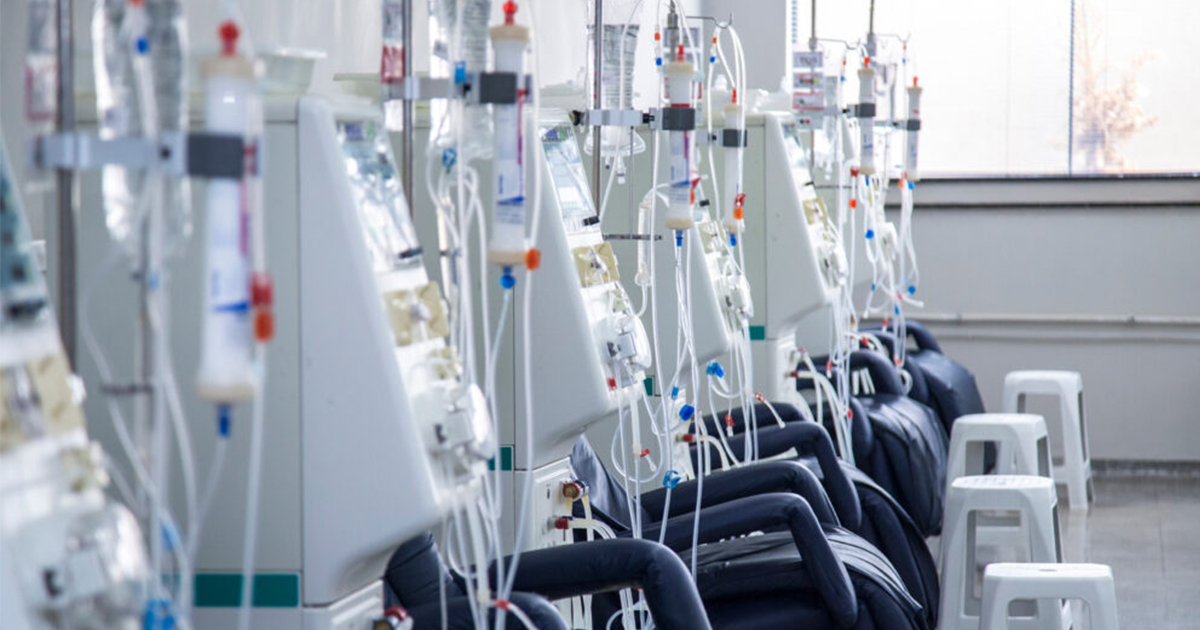
For Individuals with advanced chronic kidney disease (CKD), dialysis becomes a crucial treatment option. Dialysis helps remove waste products and excess fluids from the body when the kidneys are no longer able to perform these functions effectively. There are two primary types of dialysis: hemodialysis and peritoneal dialysis. Today, we will explore the procedures, benefits, and considerations of each type to provide a better understanding of dialysis as a management option for CKD.
Hemodialysis
Hemodialysis is the most common type of dialysis. It involves using a machine called dialyzer that functions as an artificial kidney. Here’s how the process works:
1. Access: A vascular access is created, usually in the arm, to allow for the removal and return of blood during the procedure. This can be done through an arteriovenous fistula, arteriovenous graft, or a central venous catheter.
2. Blood Filtration: The patient’s blood is pumped through the dialyzer, which contains a semipermeable membrane that filters waste products and excess fluid.
3. Dialysate Solution: The dialyzer is connected to a machine that controls the composition of the dialysate solution, which helps remove waste from the blood.
4. Duration and Frequency: Hemodialysis is typically performed three times a week, with each session lasting around four hours. The frequency and duration may vary based on individual needs.
Benefits of Hemodialysis
1. Efficient removal of waste products and excess fluids from the bloodstream.
2. Performed in a controlled clinical setting with the assistance of healthcare professionals.
3. Allow for immediate adjustments in treatment parameters based on the patient’s condition.
Considerations for Hemodialysis
1. Requires regular visits to a dialysis center for treatment.
2. May involve dietary restrictions and fluid intake limitations.
3. Requires the creation of a vascular access and may have associated risks, such as infection or clotting.
Peritoneal Dialysis
Peritoneal dialysis is an alternative type of dialysis that can be performed at home. It utilizes the peritoneum, a membrane lining the abdominal cavity, as a natural filter. Here’s how the process works:
1. Catheter Placement: A catheter is surgically placed into the abdominal cavity, allowing for the introduction and removal of dialysate fluid.
2. Dialysate Exchange: The peritoneal cavity is filled with dialysate solution, which absorbs waste products and excess fluid from the blood. After a prescribed dwell time, the fluid is drained out of the abdomen.
3. Cycles; Peritoneal dialysis involves multiple exchanges throughout the day, with each exchange taking several hours. There are different types of peritoneal dialysis, such as continuous ambulatory peritoneal dialysis (CAPD) and automated peritoneal dialysis (APD).
Benefits of Peritoneal Dialysis
1. Flexibility and convenience of performing dialysis at home, allowing for more independence and fewer visits to dialysis center.
2. Continuous filtration process throughout the day, which can lead to more stable blood pressure and improved fluid control.
3. Fewer dietary restrictions compared to hemodialysis.
Considerations for Peritoneal Dialysis
1. Requires careful adherence to a prescribed schedule and proper hygiene to prevent infection.
2. Involves the need to handle dialysate fluid and perform regular exchanges, which may not be suitable for everyone.
3. Potential complications, such as the risk of peritonitis or hernias.
Dialysis, whether hemodialysis or peritoneal dialysis, is a vital treatment option for individuals with advanced chronic kidney disease. Hemodialysis involves the use of a machine to filter waste products and excess fluid from the blood, while peritoneal dialysis utilizes the peritoneum as a natural filter. Both types have their own benefits and considerations, and the choice between them depends on individual circumstances and preference. It is essential to consult with healthcare professionals to determine the most suitable option for managing CKD and to receive proper guidance throughout the dialysis journey.
- * All research and clinical data should be used as reference purposes only, results may vary.