Is Frequent Urination in Winter Normal? Here’s What Experts Say!
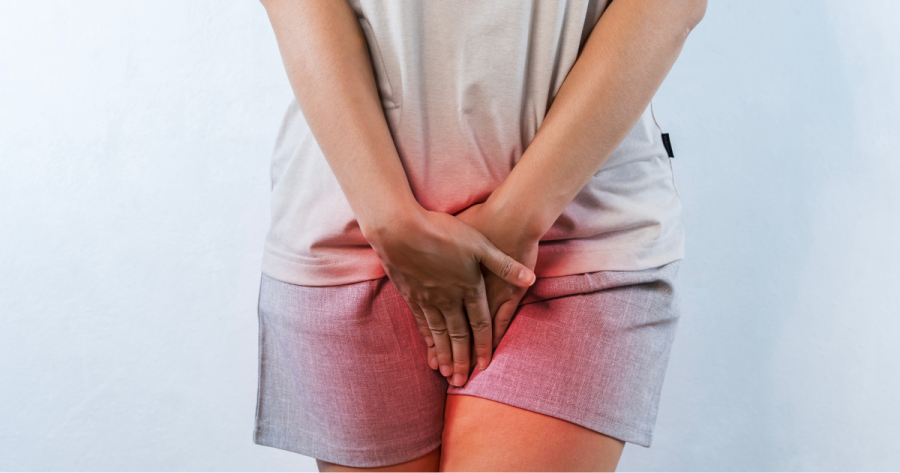
Have you ever noticed that every time the weather turns colder, your bathroom visits seem to increase too? Many people start to wonder if this means they have "weak kidneys" or if their kidney function is declining. Is this a sign of a kidney problem, or is it just a normal bodily response? Let’s take a closer look at what’s really going on.
What is Frequent Urination?
Frequent urination means you are going to the bathroom noticeably more often than usual, or you often feel the urge to pee within a short amount of time. For most adults, going to the bathroom about 4-8 times a day is considered normal. If you find yourself needing to go much more often than that, and it starts interfering with your everyday life, that’s what we call "frequent urination." Here are a few signs to help you figure out if you might have this issue:
- Increased number of bathroom visits (>8 times a day)
- Each time you go, you may not pass much urine, but you still feel the urge
- More trips to the bathroom at night
- Sometimes you feel a strong sense of urgency, even without other symptoms
- Your daily routine or quality of life is affected
Why Do We Go to the Bathroom More Often in Winter?
1. More Sensitive Nerves
When the weather is cold, your sympathetic and parasympathetic nerves become more sensitive. This causes the muscles in your pelvic floor to tighten, and your bladder may contract more easily. As a result, you become more aware of your bladder and feel the urge to go more often.
2. Less Sweating, More Urine
During winter, your body focuses on keeping warm. The blood vessels in your skin constrict and you sweat less. This means that excess water is expelled through urine instead, so it is perfectly normal to feel the urge to pee more often.
3. More Concentrated Urine
Many people tend to drink less water in winter, which makes urine more concentrated. For some individuals, this can irritate the bladder lining, making the bladder more sensitive and possibly leading to a stronger urge to urinate or more frequent trips to the bathroom.
How to Improve Frequent Urination in Winter
Stay Hydrated
Even though you sweat less in winter, it is still important to drink enough water. If you do not get enough fluids, your urine becomes too concentrated, which can irritate the bladder. It is best to drink small amounts of water several times throughout the day, rather than drinking a lot at once.
Keep Yourself Warm
Make sure your body stays warm, especially your lower body and abdomen. This can help reduce nerve sensitivity and minimise involuntary bladder contractions, making it easier to manage frequent urges.
Avoid Irritating Foods and Drinks
Try to limit coffee, strong tea, alcohol, spicy foods, and acidic foods. All of these can irritate your bladder and make frequent urination worse.
Try DTS
DTS is a natural health supplement from Japan, inspired by Japanese Kampo wisdom. It combines Panax Pseudo Ginseng, which helps promote healthy circulation, with Eucommia leaf, which is known for supporting the liver and kidneys. Together, these ingredients can help regulate your body, boost your energy, and keep you feeling your best during the winter months.
If you notice yourself heading to the bathroom more often as temperatures drop, remember that in most cases this is just your body’s normal response to the cold. With a few simple lifestyle tweaks, you can stay comfortable and healthy all winter long.
- * All research and clinical data should be used as reference purposes only, results may vary.