How is Frozen Shoulder Related to Kidney Health?

Frozen shoulder, or adhesive capsulitis, is a common condition that causes pain, stiffness, and restricted movement in the shoulder joint. It is most prevalent in people aged 40 to 60 and can significantly impact daily activities and quality of life. While frozen shoulder is often linked to aging, repetitive strain, or injury, Japanese Kampo medicine offers a broader perspective, suggesting that frozen shoulder may also be connected to imbalances in kidney health, which plays a vital role in maintaining joint flexibility and overall physical vitality.
What is Frozen Shoulder?
Frozen shoulder, or adhesive capsulitis, occurs when the connective tissue surrounding the shoulder joint (the joint capsule) becomes inflamed, thickened, and tight. This inflammation causes pain and gradually restricts shoulder movement. In most cases, the exact cause of frozen shoulder is unknown, but it is often linked to factors such as repetitive shoulder use, prolonged exposure to cold, or high levels of stress. These factors, combined with aging or underlying health conditions, can increase the risk of developing this condition.
The Kampo Perspective on Frozen Shoulder
In Japanese Kampo, frozen shoulder is viewed as a reflection of systemic imbalances rather than just a localised joint issue. Kampo emphasises the interconnectedness of organ health and physical well-being, with the kidneys playing a central role in maintaining joint and bone health. The kidneys are believed to nourish connective tissues, regulate circulation, and support joint lubrication. As kidney function naturally declines with age, it can lead to weakened connective structures, reduced lubrication, and slower healing, making the joints more prone to stiffness and inflammation.
External factors like repetitive shoulder use, prolonged exposure to cold, or chronic stress can exacerbate these imbalances, further impairing circulation and recovery. Kampo practitioners see frozen shoulder as a signal that kidney health and overall internal balance need to be addressed. Treatments aim to strengthen kidney function, improve circulation, and restore harmony in the body, promoting healing and preventing further stiffness or restricted movement.
Dietary Support for Joint and Kidney Health
A balanced diet is crucial for maintaining joint health and supporting kidney function. Certain foods can help reduce inflammation, improve circulation, and nourish the body.
Recommended Foods
Antioxidant-rich foods: Blueberries, spinach, nuts, and seeds combat inflammation and oxidative stress.
Foods with Vitamin D: Dairy products, fish, and fortified foods promote strong bones and joints.
Kidney-supporting ingredients: Black beans, sesame seeds, walnuts, and root vegetables help strengthen overall vitality.
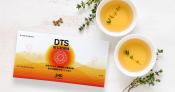
In addition to a healthy diet, incorporating DTS may be a good idea to provide additional support for kidney and joint health. Crafted from a Japanese Kampo formula, DTS combines natural herbal extracts like Panax Pseudo-Ginseng and Eucommia, offering antioxidant and anti-inflammatory benefits. By promoting blood flow, DTS improves the delivery of oxygen and nutrients to the kidneys, promoting blood filtration and overall kidney function. Backed by scientific research, DTS may also help enhance eGFR levels and address kidney-related concerns such as energy levels, sleep quality, and appetite, contributing to overall improved well-being.
How to Prevent and Manage Frozen Shoulder
Frozen shoulder can be managed and prevented with regular exercise, good posture, and simple lifestyle adjustments:
- Stay Active:
Perform gentle exercises like shoulder rotations, wall walks, and cross-body stretches daily to maintain mobility and prevent stiffness. Start light and gradually increase intensity as your shoulder improves. - Practice Good Posture:
Keep your back straight and shoulders relaxed to reduce strain. Use ergonomic furniture and avoid slouching or hunching over devices for long periods. - Protect Your Shoulders:
Keep your shoulders warm in cold environments and avoid repetitive overhead movements or heavy lifting to prevent stress and stiffness. - Relax and Recover:
Use heat therapy or warm baths to loosen tight muscles and improve circulation. Gentle massages can also help release tension and restore mobility.
- * All research and clinical data should be used as reference purposes only, results may vary.