Q:

How Holding Pee Too Long Can Harm Your Kidneys
How Holding Pee Too Long Can Harm Your Kidneys
A:

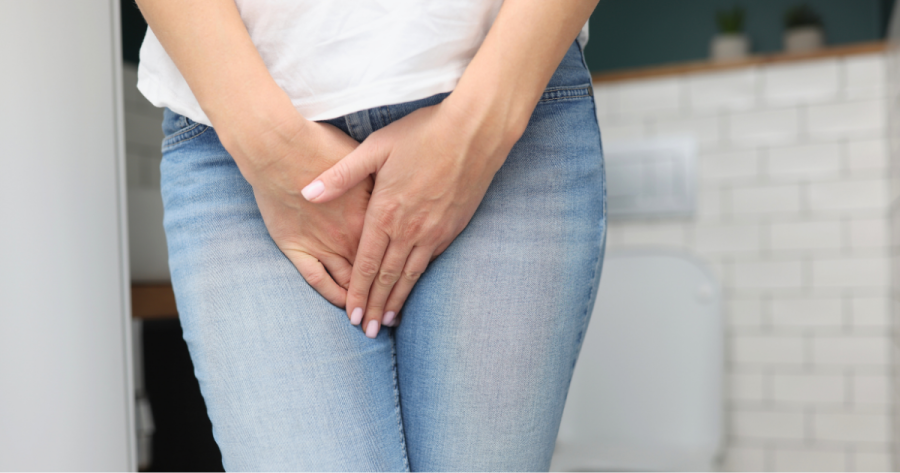
Ignoring the urge to urinate might seem harmless, but making this a habit can quietly put your kidneys and overall health at risk.


Why Holding Pee Is Bad for Your Kidneys

When you delay bathroom breaks, urine stays longer in your bladder, giving bacteria more time to grow. These bacteria can travel up to the kidneys, causing infections that may lead to lasting kidney damage. Over time, a constantly overfilled bladder can also create pressure that pushes urine backward toward the kidneys (a condition called reflux), which may injure delicate kidney tissue and increase the risk of kidney infections.


Other Negative Impacts of Holding It In

Beyond kidney-related problems, holding urine too long can overstretch your bladder, weakening its muscles and reducing its ability to empty fully in the future. This can result in frequent urinary tract infections (UTIs), bladder discomfort, and even a higher risk of developing kidney stones, as minerals have more time to crystallise.


When Is the Right Time to Go?

The best time to visit the restroom is as soon as you feel the urge. Most people need to urinate every three to four hours, but don’t wait longer than six hours between trips. Listen to your body’s signals, holding it in is never worth the risk.

Disclaimer:
  • * All research and clinical data should be used as reference purposes only, results may vary.
Hit Questions
A:
When it comes to assessing kidney function, two common tests are often used: Creatinine Clearance and estimated Glomerular Filtration Rate (eGFR). Both provide valuable insights into how well the kidneys are filtering waste from the blood, but there are key differences between the two. Understanding these differences can help patients and healthcare providers make informed decisions about kidney health.   Comparison of eGFR and Creatinine Clearance
A:
How long does it take to see results? Should I stop taking it after a while? Are there any side effects? These are some of the most common questions we get, and let’s find out the answer together.   How long does it take to see results? Results often vary among different users, as no two individuals have the same condition, diet, and lifestyles, which could all play parts in the effects of DTS. Kidney damage is known to be irreversible
A:
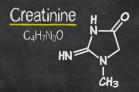
High creatinine levels can be indicative of kidney injury or disease. Creatinine is a waste product that accumulates in the bloodstream and is normally filtered out by healthy kidneys.   Understanding High Creatinine Levels Creatinine levels in the blood can provide valuable insights into kidney function. When creatinine levels are high, it suggests that the kidneys are not effectively filtering waste products from the bloodstream. This can
A:
Discover the benefits of the DTS Kidney Supplement; a blend of traditional Japanese therapy and modern scientific techniques. Since 1992, our dedicated research efforts have focused on ensuring the effectiveness of this carefully crafted formula. Our studies have been conducted at respected research centers worldwide and have been presented at reputable conferences. Additionally, select studies have been published in international medical journals and recognized by the U.S.
Have Questions?

Submit your question to us for profeessional answers!

Want to know more about DTS?
Send us your questions right away!

Contact us