Iced Drinks Could Be Hurting Your Kidneys
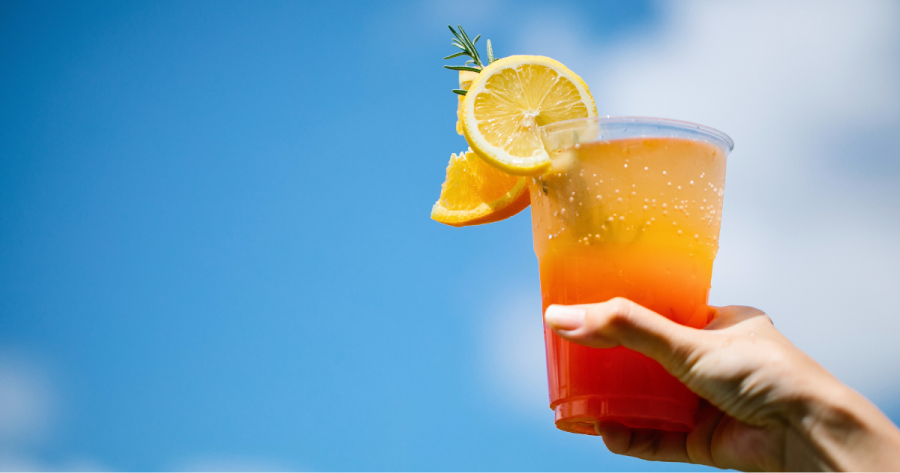
An ice-cold drink feels like the perfect way to beat the heat, especially on a scorching summer day. Many of us turn to chilled beverages for quick relief and comfort. But did you know that iced drinks could actually place extra stress on your kidneys? While they may seem refreshing, consuming too many icy beverages can have hidden impacts on your kidney health.
How Iced Drinks Affect Kidney Health
While iced drinks are refreshing, there are some considerations about how they might indirectly impact kidney health.
Ice-cold drinks can cause a sudden drop in your body’s internal temperature, which may temporarily constrict blood vessels, reducing blood flow to the kidneys. Since the kidneys play a crucial role in filtering waste and regulating blood flow, poor circulation may hinder their efficiency over time, potentially increasing the risk of kidney-related issues with excessive consumption of iced beverages.
Additionally, many iced drinks, such as sodas or sweetened iced teas, are loaded with sugar. High sugar intake can contribute to dehydration and increase the risk of kidney stone formation, especially if these beverages are consumed in place of plain water.
Alternatives to Iced Drinks
If you’re looking for ways to stay cool without compromising your kidney health, consider these alternatives:
- Room-temperature water: While it may not seem as refreshing, room-temperature or slightly cool water is easier for your body to absorb and helps maintain hydration more effectively.
- Infused water: Add slices of lemon, cucumber, or mint leaves to water for a refreshing twist. These natural flavours can make hydration more enjoyable without the need for ice.
- Herbal teas: Warm or slightly cooled herbal teas are soothing and hydrating, especially on warm days.
- Electrolyte drinks: If you’re active or sweating a lot, opt for sugar-free electrolyte drinks to replenish lost minerals without overloading your kidneys.
Tips for Cooling Down
Staying cool doesn’t have to rely on iced drinks. Here are some practical tips to help you beat the heat safely:
- Dress Lightly: Wear breathable, lightweight fabrics like cotton to help your body cool naturally.
- Stay Indoors During Peak Heat: Avoid direct sunlight and stay in shaded or air-conditioned spaces during the hottest parts of the day, typically between 12 PM and 3 PM.
- Hydrate Regularly: Drink water consistently throughout the day, even if you don’t feel thirsty. Aim for small sips to keep your body hydrated.
- Cool Your Skin: Use a damp towel on your neck or wrists to lower your body temperature. You can also take a lukewarm shower for a cooling effect.
- Eat Hydrating Foods: Incorporate water-rich fruits and vegetables like watermelon, cucumber, and oranges into your diet. These not only refresh you but also provide essential nutrients.
- * All research and clinical data should be used as reference purposes only, results may vary.