Q:

Peak Season for Kidney Stones: Dietary Strategies
Peak Season for Kidney Stones: Dietary Strategies
A:

The hot season is a peak period for kidney stone formation. People who have previously experienced kidney stones may need to be especially cautious during the summer to avoid the risk of recurrence. Even healthy individuals can pay attention to their diet to prevent kidney stone formation.


What are Kidney Stones?

Our urine actually contains various metabolites, minerals, and other components. When minerals become saturated, they can form crystals that gradually deposit, creating small or even more significant kidney stones. The high temperatures and dehydration during the summer increase the concentration of minerals in the urine, raising the risk of stone formation. Therefore, appropriate dietary choices and hydration are crucial for preventing the development of kidney stones.


Hydration

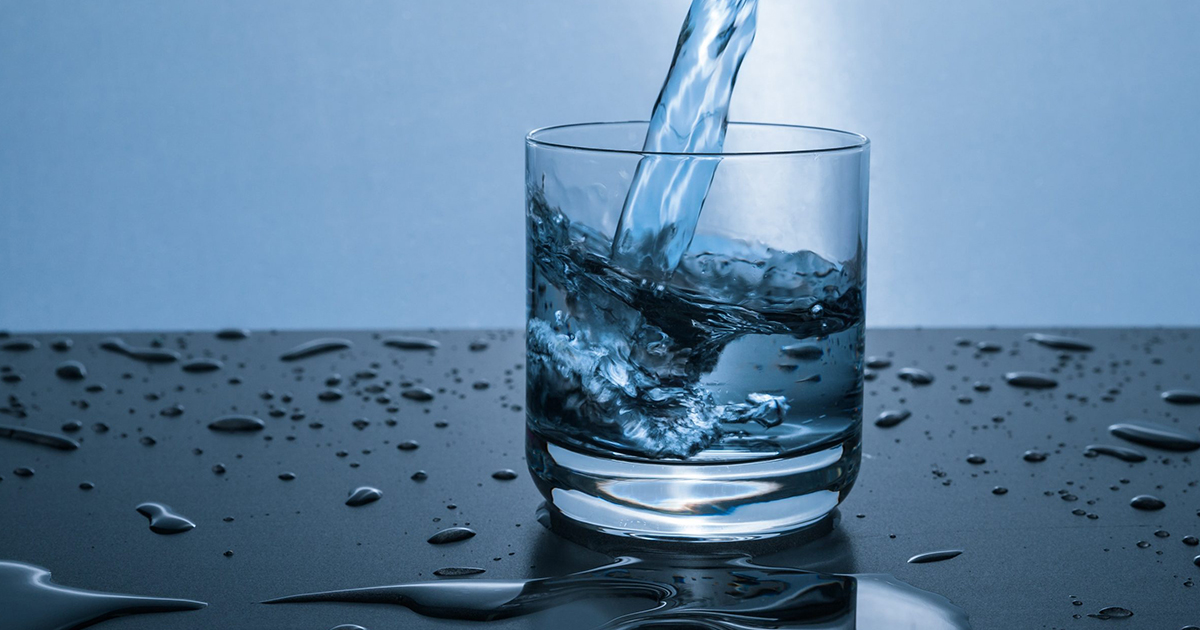
First and foremost, maintaining adequate hydration is essential. In hot weather, sweating and dehydration are common, which can increase the concentration of minerals in the urine and raise the risk of stone formation. The general recommended daily water intake for healthy adults is 8 cups. However, individuals working or exercising in high temperatures may need to increase their fluid intake accordingly.


Mineral Intake

In addition to hydration, the diet should focus on mineral intake. Individuals with kidney stones should avoid excessive consumption of foods high in oxalate, as oxalate is one of the leading causes of crystal formation in the urine. Foods high in oxalate include spinach, celery, nuts, strawberries, and more. Minimizing the consumption of foods high in oxalate can help reduce the risk of stone formation.


Fruit and Vegetable Consumption

Furthermore, increasing the intake of vegetables and fruits is crucial. Vegetables and fruits are rich in fiber, vitamins, and minerals, which contribute to maintaining kidney health. Some fruits, such as watermelon and berries, are also beneficial for maintaining proper hydration.


To conclude, summer is a peak season for the formation of kidney stones, particularly for individuals who have previously experienced them. It is important to maintain adequate hydration, avoid excessive consumption of foods high in oxalate, and increase the intake of vegetables and fruits to protect kidney health.

Disclaimer:
  • * All research and clinical data should be used as reference purposes only, results may vary.
RELATED QUESTIONS
A:
4 Simple Habits to Easily Keep Your Kidneys Healthy! Have you ever wondered how some small habits in your daily routine can actually do wonders for your kidney health? Today, I’m excited to share four practical and easy-to-follow habits that can help nourish your kidneys. Stick with these small changes, and they’ll become your health allies, even in the midst of a busy lifestyle. Let’s see what they are!   1. Keep
A:
Have you ever wondered if your detox diet or supplements are actually working? Many people try detox programs hoping to feel lighter, healthier, and more energetic. But how do you really know if your body is getting rid of toxins? Here’s what you need to know.   How Do Toxins Leave the Body? Your body is naturally equipped to remove toxins through several organs, mainly the liver, kidneys, lungs, skin, and digestive system. The liver
Hit Questions
A:
When it comes to assessing kidney function, two common tests are often used: Creatinine Clearance and estimated Glomerular Filtration Rate (eGFR). Both provide valuable insights into how well the kidneys are filtering waste from the blood, but there are key differences between the two. Understanding these differences can help patients and healthcare providers make informed decisions about kidney health.   Comparison of eGFR and Creatinine Clearance
A:
How long does it take to see results? Should I stop taking it after a while? Are there any side effects? These are some of the most common questions we get, and let’s find out the answer together.   How long does it take to see results? Results often vary among different users, as no two individuals have the same condition, diet, and lifestyles, which could all play parts in the effects of DTS. Kidney damage is known to be irreversible
A:
High creatinine levels can be indicative of kidney injury or disease. Creatinine is a waste product that accumulates in the bloodstream and is normally filtered out by healthy kidneys.   Understanding High Creatinine Levels Creatinine levels in the blood can provide valuable insights into kidney function. When creatinine levels are high, it suggests that the kidneys are not effectively filtering waste products from the bloodstream. This can
A:
Discover the benefits of the DTS Kidney Supplement; a blend of traditional Japanese therapy and modern scientific techniques. Since 1992, our dedicated research efforts have focused on ensuring the effectiveness of this carefully crafted formula. Our studies have been conducted at respected research centers worldwide and have been presented at reputable conferences. Additionally, select studies have been published in international medical journals and recognized by the U.S.
Have Questions?

Submit your question to us for profeessional answers!

Want to know more about DTS?
Send us your questions right away!

Contact us